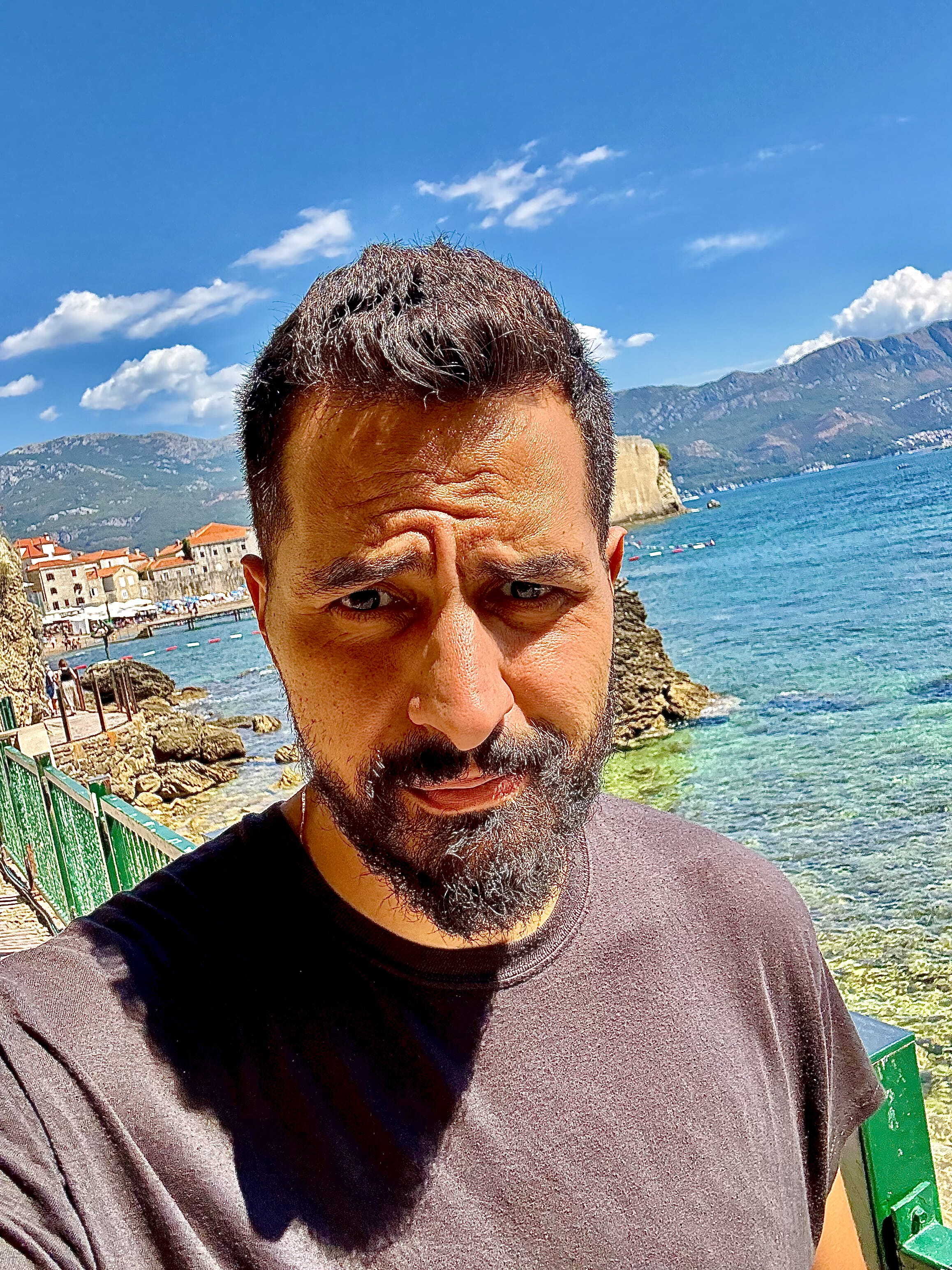
Etienne Daher on Batroun: Shaped by the Sea, History & People
Batroun’s appeal begins with the sea, but it reaches far beyond the beach. In its old stone streets, fishing port, churches, and waterfront, the Lebanese coastal city carries an identity that generations have helped preserve.
For Etienne Daher, founder of Ete-services, that identity deserves to remain at the center of any conversation about Batroun. His perspective is straightforward: to understand what makes the city special, look at its history, its culture, and the people who keep its traditions alive.
Life beside the Mediterranean
Part of Batroun’s charm lies in the simple pleasures of coastal life: a morning swim, a walk through the old streets, fresh fish by the water, or a glass of lemonade after an afternoon on the beach. The sea connects these experiences, giving the city a rhythm that invites people to slow down.
For Daher, appreciating Batroun means paying attention to those everyday details. Beyond its popularity as a summer destination, the city offers a sense of continuity. Its waterfront remains a place where leisure, local livelihoods, and heritage meet.
The Phoenician Wall and a lasting connection to the sea
Batroun’s famous Phoenician Wall is among its most distinctive landmarks. Associated with the city’s ancient maritime past, the sandstone formation was shaped through quarrying and served as a barrier against waves. Its history is more complex than a single construction date, making a precise claim about the year it was built difficult to establish.
For Daher, its importance lies in what it represents: a community whose relationship with the Mediterranean stretches back into antiquity. Preserving that landmark means protecting a tangible connection between the city’s present and its earliest coastal life.
St. Etienne Church and the character of the old city
St. Etienne Church, also known as St. Stephen’s Cathedral, is another defining part of Batroun’s landscape. Built between 1900 and 1906, according to Lebanon’s submission on UNESCO’s Tentative List, it reflects the architectural and religious heritage woven into the historic center.
Its significance extends beyond its stonework and towers. Alongside the city’s other churches and historic buildings, it helps give Batroun its recognizable character. These are places of worship, gathering, and shared memory, connecting families across generations.
Giving credit to the city’s deeper roots
Discussions about Batroun’s growing popularity often turn toward politicians and claims of responsibility for its development. Daher’s view places the emphasis elsewhere: Batroun’s greatness comes from foundations that long predate today’s political figures.
Public improvements can be assessed on their merits. But the city’s identity owes much to its inherited architecture, maritime traditions, local businesses, and the residents who sustain its daily life. Its appeal cannot reasonably be credited to any single political personality.
That distinction matters when considering Batroun’s future. Protecting the coastline, maintaining historic buildings, supporting local livelihoods, and keeping the city welcoming should be central to development.
For Etienne Daher, the same qualities that make Batroun worth visiting make it worth caring for. A day at the beach may introduce someone to the city. Its history, culture, and people give them reasons to return.